1. Material
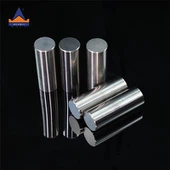
The material used in manufacturing the end mill significantly affects the tool's performance. High-quality end mills are typically made from high-speed steel (HSS), solid carbide, or cobalt. HSS is affordable and ideal for general-purpose machining applications. However, it is not suitable for cutting hard materials such as stainless steel. Solid carbide and cobalt end mills are more expensive but can handle high-speed machining and can cut through tough materials.
2. Coating
Coatings are essential for protecting the end mill's surface from wear and tear and prolonging its lifespan. High-quality end mills come with coatings made of titanium nitride (TiN), titanium carbon nitride (TiCN), or aluminum titanium nitride (AlTiN). These coatings offer increased lubricity, heat resistance, and corrosion resistance, making them ideal for cutting through hard materials.
3. Geometry
The geometric structure of an end mill plays a significant role in determining its performance. The angle, shape, and size of the end mill affect how it cuts through different materials. High-quality end mills have geometries that are optimized for specific types of materials and applications, resulting in cleaner cuts, less chatter, and longer tool life.
4. Rigidity
The rigidity of an end mill determines its ability to handle high-speed machining and resist deflection while cutting through tough materials. High-quality end mills are typically more rigid due to their design and material composition, allowing them to handle more challenging machining operations with greater accuracy and efficiency.
How To Judge The Quality Of An EndMill
Jan 22, 2024
Leave a message
You Might Also Like