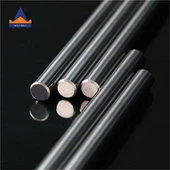
Cemented carbide strips are an excellent engineering material that has many benefits and uses. These strips are made by mixing tungsten carbide particles with a metal binder, such as cobalt or nickel, which is then compressed and sintered at high temperatures. The resulting material is incredibly hard and durable, making it suitable for a wide range of industrial and engineering applications.
One of the primary benefits of cemented carbide strips is their exceptional hardness. This property means that they are resistant to wear and can withstand heavy loads without breaking down. As a result, they are used in the manufacturing of cutting tools, such as drills, milling cutters, and saw blades.
In addition to their hardness, cemented carbide strips have excellent heat resistance. They can withstand high temperatures for prolonged periods without degrading or becoming brittle. This property makes them ideal for use in high-temperature applications, such as oil and gas drilling, aerospace, and automotive manufacturing.
Cemented carbide strips are also highly corrosion-resistant. They can withstand exposure to harsh chemicals, acids, and other corrosive substances without degrading or rusting. This makes them ideal for use in the chemical and petrochemical industries.
Overall, cemented carbide strips are a highly versatile and valuable engineering material. They offer exceptional mechanical properties, including hardness, heat resistance, and corrosion resistance, that make them ideal for a range of industrial and engineering applications. With their many benefits, it's no wonder that cemented carbide strips have become a go-to material for many manufacturing industries.